What a dental office website actually needs
Strip away everything else and a dental office website has to do three things: show patients what you offer, make it easy to book, and give them enough reason to trust you before they've walked through the door. Miss any one of those, and you're not just underperforming — you're handing patients to the practice down the street.
The gap between a site that photographs well and one that actually drives new patient calls is wider than most owners expect. We've worked on enough dental sites to know that the problems are almost always the same ones: contact info buried at the bottom of the page, stock photos that could belong to any clinic in any city, and no clear next step for someone who's ready to book.
New patients aren't reading your history. They land on your page, scan for maybe fifteen seconds, and decide whether to stay or leave. What they're looking for: real photos of your office and team, hours they don't have to hunt for, a phone number that's one tap away on mobile, and reviews they can actually verify.
Here's what a high-performing dental website typically covers:
- Service clarity: Separate pages or well-defined sections for general dentistry, cosmetic procedures, orthodontics, pediatric care, and emergency services — whatever applies to your practice.
- Booking accessibility: An online scheduling widget or a prominent call-to-action that works on mobile without pinching or scrolling.
- Social proof: Real patient reviews, ideally pulled from Google or sourced authentically, displayed where new visitors will actually see them.
- Insurance and payment transparency: Patients will leave rather than call just to ask if you're in-network.
- ADA compliance: Accessibility isn't optional — it's a legal baseline and it affects your SEO.
If your current site is missing two or more of these, you're likely losing new patient inquiries every week and you'd have no way of knowing it.
Which features turn visitors into booked appointments
There's a real difference between a site that looks polished in a screenshot and one that performs. For dental practices, conversion comes down to reducing friction at every step between 'I found this office' and 'I scheduled my appointment.'
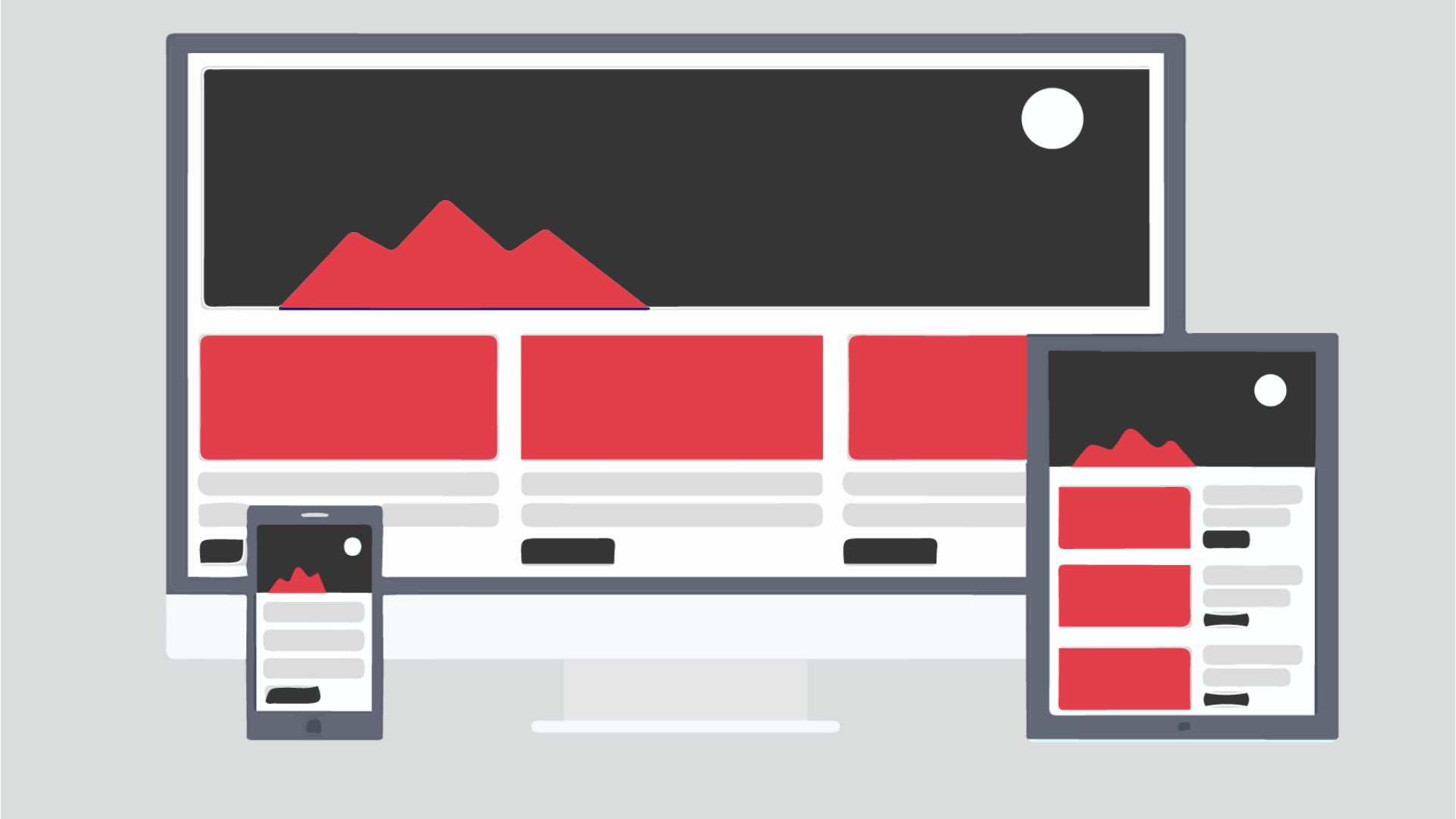
Mobile-first layout: Most local health searches happen on a phone. If your site loads slowly, requires horizontal scrolling, or hides your phone number below the fold, those patients are gone. A responsive design isn't a bonus feature — it's the starting point for everything else.
Prominent, persistent CTAs: The call-to-action — 'Book an Appointment,' 'Call Us Now,' whatever fits your practice — should be visible on every page, not just the homepage. A pattern we keep running into: dental sites where the contact button is buried in the footer. Moving it to a sticky header consistently makes a noticeable difference in inbound calls.
Before-and-after galleries (done right): Cosmetic dentistry especially benefits from visual proof. A well-organized gallery with patient consent and clear labeling builds credibility faster than any paragraph of copy ever will.
Live chat or chatbot integration: Patients often have quick questions — 'Do you do same-day crowns?' or 'Is parking available?' — that they won't pick up the phone to ask. A lightweight chat option captures those leads before they bounce to a competitor who made it easier to get answers.
Fast load times: Search engines and patients both punish slow sites. Heavy image files, outdated plugins, and cheap shared hosting are common culprits — sites that look fine on the surface but quietly bleed traffic.
Trust page elements: Credentials, certifications, years in practice, affiliations with organizations like the ADA — these belong on your site and should be easy to find, not buried three scrolls deep in a staff bio.
Why generic templates hurt dental practices
Dental-specific website platforms — the ones that promise a site in a weekend — share a fundamental flaw: they produce sites that look identical to hundreds of other practices. Patients notice, even if they can't say why. When your site looks like every other dentist in the city, you're competing on price and location alone, with nothing to set you apart.
There's a technical ceiling, too. Most turnkey dental platforms limit your ability to customize page structure, target specific local keywords, or connect third-party tools like your practice management software. You're renting a site that someone else controls. The SEO is often templated in ways that work against you — duplicate meta descriptions shared across hundreds of similar dental sites, for instance.
We've taken on projects where a practice had been paying a monthly platform fee for years and had almost no organic visibility for their core services. The content existed. But the site architecture, page speed, and local SEO signals had all been neglected by the template provider, and nobody had flagged it.
Custom or semi-custom design, built by a team that understands both healthcare UX and technical SEO, gives you:
- A visual identity that reflects your actual practice — your team, your space, your tone
- Full control over page structure and metadata
- Integration with the scheduling and billing tools you already use
- A site you can grow without hitting platform ceilings
It's the same argument that plays out across service-based industries. If you've looked into how construction companies approach web design, you'll see the same pattern: a purpose-built site consistently outperforms a template over time.
Does your dental site show up when patients search nearby?
Local SEO is where dental websites win or lose. When someone searches 'dentist near me' or 'family dentist in [city],' the practices showing up in the local pack aren't necessarily the best ones — they're the ones with better-optimized sites and Google Business Profiles. That's a fixable problem.
Your website and your Google Business Profile have to work together. NAP consistency (your Name, Address, and Phone number matching exactly across every platform), location-specific service pages, and structured data markup for local businesses all tell search engines that you're an established practice in that geography — not just a website that mentions a city name once.
Service-area pages matter. If your office is in Chicago but you draw patients from surrounding suburbs, a single homepage won't capture those searches. Dedicated pages for high-intent services — 'Invisalign,' 'teeth whitening,' 'emergency dentist' — give you multiple entry points in search results instead of one.
Schema markup for healthcare: Adding structured data for your practice type, accepted insurance, office hours, and location helps search engines display rich results — star ratings and hours directly in the SERP — which improves click-through without requiring you to rank any higher.
Review signals: Reviews aren't just trust signals on your site — they're a ranking factor. A consistent, ethical strategy for gathering Google reviews from satisfied patients is part of the local SEO picture, and your website should make it easy to guide patients there after their visit.
For practices serious about long-term growth, a professionally built site is the foundation. Our team at Xulum treats this as part of a broader professional web design strategy — not a one-time deliverable, but an ongoing asset that pays for itself in new patient acquisition.
What should a dental office expect to invest?
Practice owners always get here eventually, and the question deserves a straight answer — even if the honest one is 'it depends on your situation.'
The investment varies considerably based on scope. A single-location general dentistry practice has different needs than a multi-location group with cosmetic, orthodontic, and pediatric departments under one brand. That said, here's a useful framework for thinking about where the money goes:
What drives cost up:
- Custom photography and video production — worth it, because stock photos hurt conversions in healthcare more than in almost any other industry
- Online booking integration with your specific practice management software
- Multiple service or location pages, each requiring original content
- Ongoing SEO and content maintenance
- HIPAA considerations for patient intake forms or any communication features
What keeps cost reasonable:
- Working with a nearshore agency like Xulum, where you get US-market expertise without the overhead of a large domestic agency
- Starting with a focused scope — a tight, well-built five-to-ten page site outperforms a bloated twenty-page site that was rushed to launch
- Prioritizing performance and local SEO from the start rather than trying to retrofit them later
The framing that helps most practices make this decision: think about what a single new patient is worth to your practice over time, then ask how many new patients per month a well-performing site could realistically generate. That math tends to make the investment feel concrete instead of theoretical.
We've watched clients treat their website as a one-time expense — check it off, move on — and struggle to understand why growth stalls. The practices that treat it as a long-term business asset are the ones that compound their results over years, not just the first few months after launch.
Get a website built specifically for your dental practice
Whether you're launching a new practice or your current site is losing patients to competitors, we can help you figure out exactly what your dental website needs — and what it would cost to build it right. Tell us about your practice and we'll put together a tailored proposal, no generic packages.
Request your quote →