Why Law Firms Need a Better Website in 2026
The legal industry in the United States is more competitive than ever. According to the American Bar Association, there are over 1.3 million licensed attorneys in the country, and the vast majority of potential clients — roughly 96% — use a search engine when looking for legal advice. If your firm does not appear prominently online, you are effectively invisible to the clients who need you most.
A poorly designed law firm website does more than fail to attract visitors — it actively drives them away. Research from Stanford University found that 75% of users judge a company's credibility based on its website design alone. For law firms, where trust is the single most important factor in a client's decision, a dated or cluttered site can cost you cases before a single phone call is made. Investing in professional web design is no longer optional; it is a core business development strategy.
Trust Signals That Convert Visitors Into Clients
When a prospective client lands on your website, they are asking one silent question: 'Can I trust these people with my problem?' Your design must answer that question within seconds. Studies show that users form a first impression of a website in as little as 50 milliseconds, meaning visual credibility must be built before a single word is read.
The most effective trust signals for law firm websites include the following elements, each of which should be deliberately planned and placed during the design phase:
- Attorney profile pages with professional photography: Clients hire people, not logos. High-quality headshots and detailed bios humanize your firm and establish authority.
- Client testimonials and case results: Social proof is powerful. Displaying verified reviews — ideally linked to Google or Avvo — increases conversion rates by up to 34%, according to BrightLocal data.
- Bar association badges and certifications: Official credentials displayed in the header or footer immediately signal legitimacy to first-time visitors.
- Clear and prominent contact options: A click-to-call phone number, a short contact form, and even a live chat widget reduce friction and capture leads at the moment of intent.
- SSL certificate and privacy policy: A secure (HTTPS) website is both a Google ranking factor and a visible sign to clients that their information is protected.
SEO for Legal Websites: Getting Found Locally
Search engine optimization for law firms operates differently from most other industries. Legal keywords are among the most expensive in Google Ads — 'personal injury lawyer' can cost over $150 per click in competitive markets like New York or Los Angeles. This makes organic SEO not just valuable but essential for sustainable client acquisition. A well-structured website with clean code, fast load times, and strategically placed keywords gives your firm a compounding advantage over time without paying per click.
Local SEO is particularly critical for attorneys. Most clients search for legal help within their geographic area, using queries like 'divorce attorney in Chicago' or 'DUI lawyer near me.' To rank for these searches, your website must be built with local intent in mind. This includes embedding location-specific landing pages, maintaining consistent NAP (name, address, phone number) information across directories, and earning backlinks from local bar associations, chambers of commerce, and legal directories like Justia and FindLaw. Your Google Business Profile should also be directly integrated with your website strategy to maximize visibility in the local map pack, which captures 44% of all local search clicks according to BrightLocal's 2025 Local Search Report.
Mobile-First Design for Attorneys: A Non-Negotiable
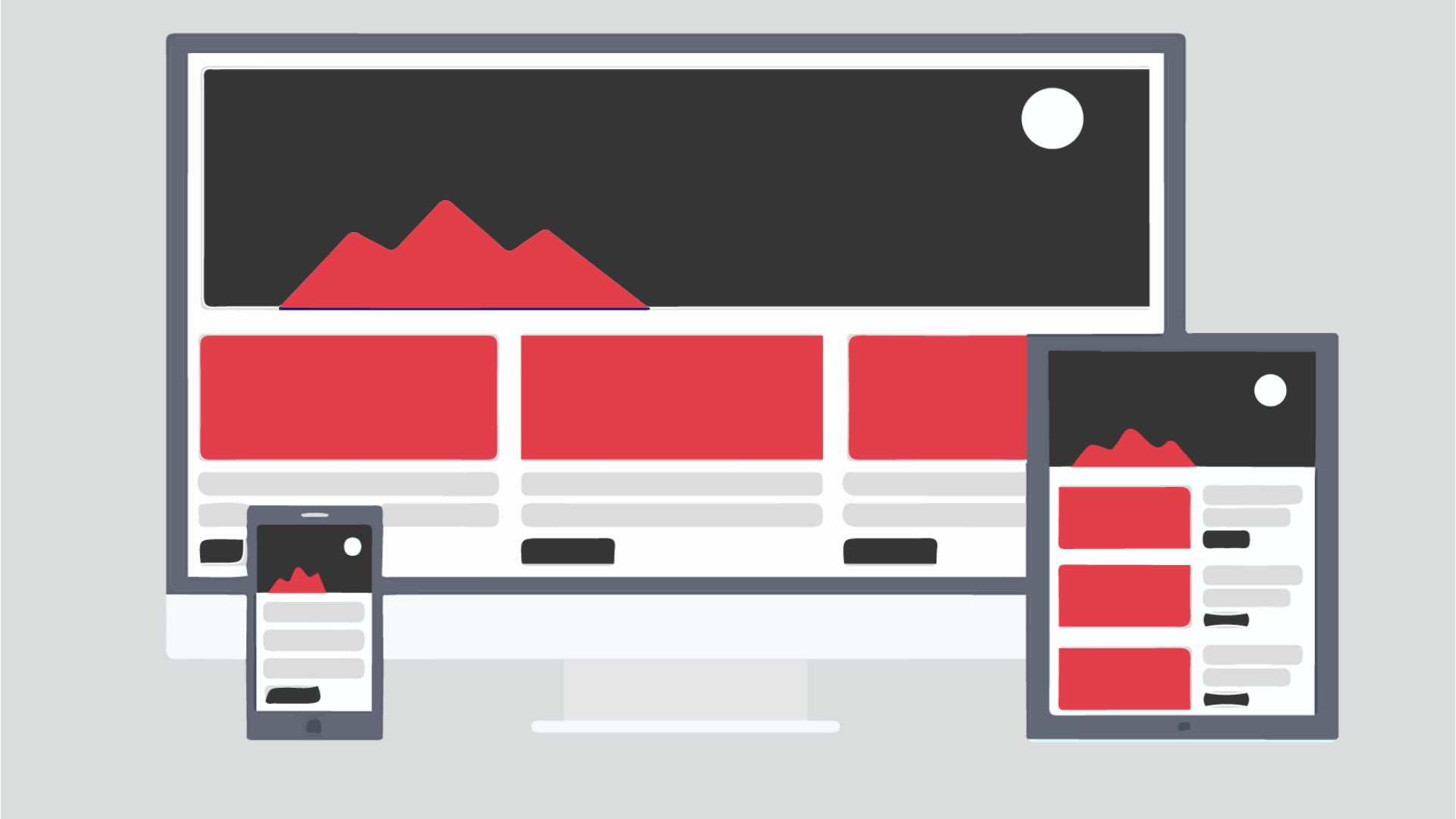
As of 2025, over 63% of all web traffic in the United States comes from mobile devices, and that number climbs even higher for local service searches — the exact category your law firm falls into. Google has operated on a mobile-first indexing model since 2019, meaning it evaluates your mobile site first when determining search rankings. A law firm website that performs poorly on smartphones is not just inconvenient for users; it is algorithmically penalized before anyone even sees it.
Mobile-first design for law firms goes beyond simply making a desktop site 'responsive.' It means designing the entire user experience around the thumb-tap, the small screen, and the intent of someone who is likely stressed and searching for help on the go. Key mobile design considerations include:
- Tap-friendly buttons and menus: Call-to-action buttons should be at least 44px tall, easy to tap, and positioned where thumbs naturally rest on a phone screen.
- Compressed images and lazy loading: Mobile users on 4G or 5G networks still expect pages to load in under 3 seconds. Google data shows that 53% of mobile visitors abandon a site that takes longer than 3 seconds to load.
- Sticky click-to-call headers: On mobile, a persistent phone number in the header that follows users as they scroll can dramatically increase inbound calls.
- Simplified navigation: Mobile menus should collapse cleanly, with no more than 5-6 top-level items, to reduce cognitive load for anxious potential clients.
Content Strategy: Educate First, Convert Second
Modern legal clients are researchers before they are buyers. A person facing a DUI charge, a custody dispute, or a workplace injury will spend significant time reading about their situation before contacting anyone. A law firm that provides clear, authoritative, and genuinely helpful content on its website becomes the trusted voice in that research process — and the natural next call the client makes. This is the foundation of a content-first law firm website strategy.
Your content plan should be organized around your practice areas and the specific questions clients ask at each stage of their decision. Practice area pages should go far beyond a simple list of services — they should explain what a client can expect, what the legal process looks like in your state, and what outcomes are realistically possible. A blog or resource center (sometimes called a 'legal insights' section) adds fresh, indexable content that targets long-tail keywords and demonstrates ongoing expertise. According to HubSpot, websites with active blogs generate 67% more monthly leads than those without. For law firms, this is a scalable advantage that compounds over months and years of consistent publishing.
Choosing the Right Web Design Partner for Your Firm
Not every web design agency understands the unique constraints and opportunities of the legal industry. Law firm websites must comply with state bar advertising rules, which vary significantly across jurisdictions. For example, many states prohibit superlatives like 'best' or 'top-rated' in attorney advertising without substantiation. A design partner that builds legal sites regularly will already know how to structure copy, disclaimers, and case result sections in a compliant way — saving your firm from potential ethics complaints.
When evaluating agencies, look beyond aesthetics and ask about performance benchmarks, conversion rate optimization experience, and post-launch support. The best partnerships are long-term: your website should evolve with your firm, adding new practice area pages, updating attorney bios, and adapting to algorithm changes. If you want to work with a team that brings international perspective and sharp technical execution to legal web projects, explore the full range of services available at Xulum's web design practice. A strong agency will provide a clear sitemap proposal, a realistic timeline, and transparent reporting on traffic and lead metrics from day one.
- Ask for legal industry case studies: An agency that has built sites for attorneys before will have measurable results to share, not just mockups.
- Verify their technical SEO capabilities: Design without SEO is just decoration. Confirm the agency handles schema markup, page speed optimization, and Core Web Vitals compliance.
- Understand the content workflow: Will they write the copy, or will you? A clear process prevents delays and ensures your site launches with strong, bar-compliant content.
- Confirm ongoing maintenance options: Websites need updates — plugin patches, security fixes, content additions. A reliable retainer or maintenance plan protects your investment after launch.
Ready to Build a Law Firm Website That Wins Clients?
Xulum works with law firms across the United States to create fast, trustworthy, and search-optimized websites that turn visitors into consultations. Let us build the online presence your firm deserves.
Request your quote →