What abandoned cart emails actually are
An abandoned cart email is an automated message sent to a shopper who added items to their online cart but left without buying. It reminds them what they left behind and gives them a direct path back to checkout. Done right, it's one of the highest-ROI automations any ecommerce store can run.
Here's what most store owners miss: the shopper who abandons a cart isn't necessarily gone. They showed intent. They picked a product, liked it enough to add it, and something interrupted the process — a distraction, a surprise shipping cost, a moment of hesitation. Abandoned cart emails exist to be that nudge back, delivered at the right moment with the right message.
Unlike a promotional blast that goes to your whole list, this is a trigger tied to one specific action one specific person took. That's what separates it from typical email marketing — and why engagement rates tend to run dramatically higher than average campaigns. If you're new to thinking about automation performance, it helps to get grounded in the email marketing metrics that actually matter before you start optimizing.
Why shoppers abandon carts in the first place
You can't write a great recovery email without understanding why the shopper left — and those reasons vary more than most store owners expect. Before you write a single subject line, think through what actually happened at that checkout page.
- Unexpected costs at checkout: Shipping fees, taxes, or handling charges that weren't visible on the product page are a leading reason shoppers bail. The math didn't work out the way they expected.
- Just browsing: A segment of your abandoners was never serious. They were comparison-shopping or saving ideas for later. These folks need a longer nurture approach, not an aggressive discount.
- Account creation friction: Forcing someone to register before they can buy is a conversion killer. If your checkout requires it, your abandonment rate will show it.
- Payment concerns: Unfamiliar checkout experiences, missing trust badges, or limited payment options — especially for mobile shoppers — create hesitation right at the finish line.
- Life just happened: The kid started crying. The phone rang. The browser tab got buried. This is probably your easiest-to-recover segment because the intent was real and the exit was purely circumstantial.
Knowing these segments matters because one recovery email template doesn't serve all of them equally. The more your sequence addresses real friction points, the better it converts.
Do abandoned cart emails really work?
Yes — and they're consistently among the best-performing automations in ecommerce email. The reason isn't complicated. Abandoned cart emails are relevant, personal, and timely. Open rates and click-through rates outperform standard promotional sends by a wide margin, almost by definition.
We've worked with ecommerce clients who had no cart recovery flow in place at all — not even a single email. When we helped them stand up a basic three-email sequence, recovered revenue showed up within the first month. It wasn't magic. It was just reaching people who were already warm and giving them a clear reason to come back.
That said, 'it works' doesn't mean 'set it and forget it.' Performance depends heavily on timing, copy quality, subject lines, and how the email renders on mobile. A poorly built cart email can actually do damage — feel spammy or pushy, and erode trust with customers you might've kept. So yes, they work. But they work best when someone's actually thought them through.
What a high-converting abandoned cart email looks like
The structure of a strong cart recovery email isn't complicated, but every element needs to earn its place. Here's how the best ones are built:
Subject line: Keep it conversational and low-pressure. 'You left something behind' tends to outperform 'LAST CHANCE — Your cart is expiring!' because it doesn't feel like a threat. For most brands, curiosity and warmth beat urgency.
Preheader text: This is the line that appears next to your subject line in the inbox. Don't waste it on filler. Use it to extend the subject line's idea or add a gentle hook — 'Still thinking it over? We saved your cart.'
Product image: Show the item. A clear, appealing photo is one of the most effective ways to reignite the desire that drove the original add-to-cart. Make it big, make it clean.
Cart summary: List what they left behind — product name, variant, price. Don't make them remember. Make it effortless to pick up where they left off.
Primary CTA: One button, one job. 'Return to your cart' or 'Complete your purchase' — direct, clear, and linked to a pre-filled cart if your platform supports it.
Trust signals: A short line about your return policy, free shipping threshold, or a real customer review can reduce the hesitation that caused the exit in the first place.
Optional incentive: A discount or free shipping offer can lift conversions, but don't lead with it in the first email. Train customers to abandon carts expecting a coupon, and you'll create a discount-hunting habit that quietly eats your margin.
How many emails should you send — and when?
A single email beats nothing. But a well-timed sequence is significantly more effective. For most ecommerce stores, three emails is the right call.
- Email 1 — The reminder (1 hour after abandonment): Short, friendly, no hard sell. Just a 'hey, you left something' with the product image and a clear return-to-cart link. This catches the distracted shopper while the moment is still fresh.
- Email 2 — The consideration email (24 hours later): Go a little deeper here. Address objections. Highlight your return policy, shipping speed, or social proof. If you have reviews for the specific product they left behind, drop one in.
- Email 3 — The closer (48–72 hours after abandonment): This is where an incentive, if you're going to use one, makes sense. A time-limited offer — free shipping, a small discount — can tip fence-sitters. Just make the urgency real, not manufactured.
Some brands run four or five emails. In our experience, the third email typically captures most of what a longer sequence would, and going beyond that risks annoying customers who simply aren't coming back. Quality over volume.
One more thing: suppress anyone who completes a purchase during the sequence. It sounds obvious, but it's a common setup error — and nothing erodes trust faster than a 'don't forget your cart!' email for something the customer already bought.
What kills abandoned cart email performance?
Even a well-intentioned cart recovery flow can underperform if these issues go unaddressed.
Slow trigger timing: If your first email doesn't fire until 24 hours after abandonment, you've already lost a big portion of recoverable shoppers. The first hour is critical.
Generic copy: 'We noticed you left something in your cart' followed by a bland CTA creates no pull whatsoever. Your copy should sound like it came from a real person who cares about their store — not a template no one ever bothered to edit.
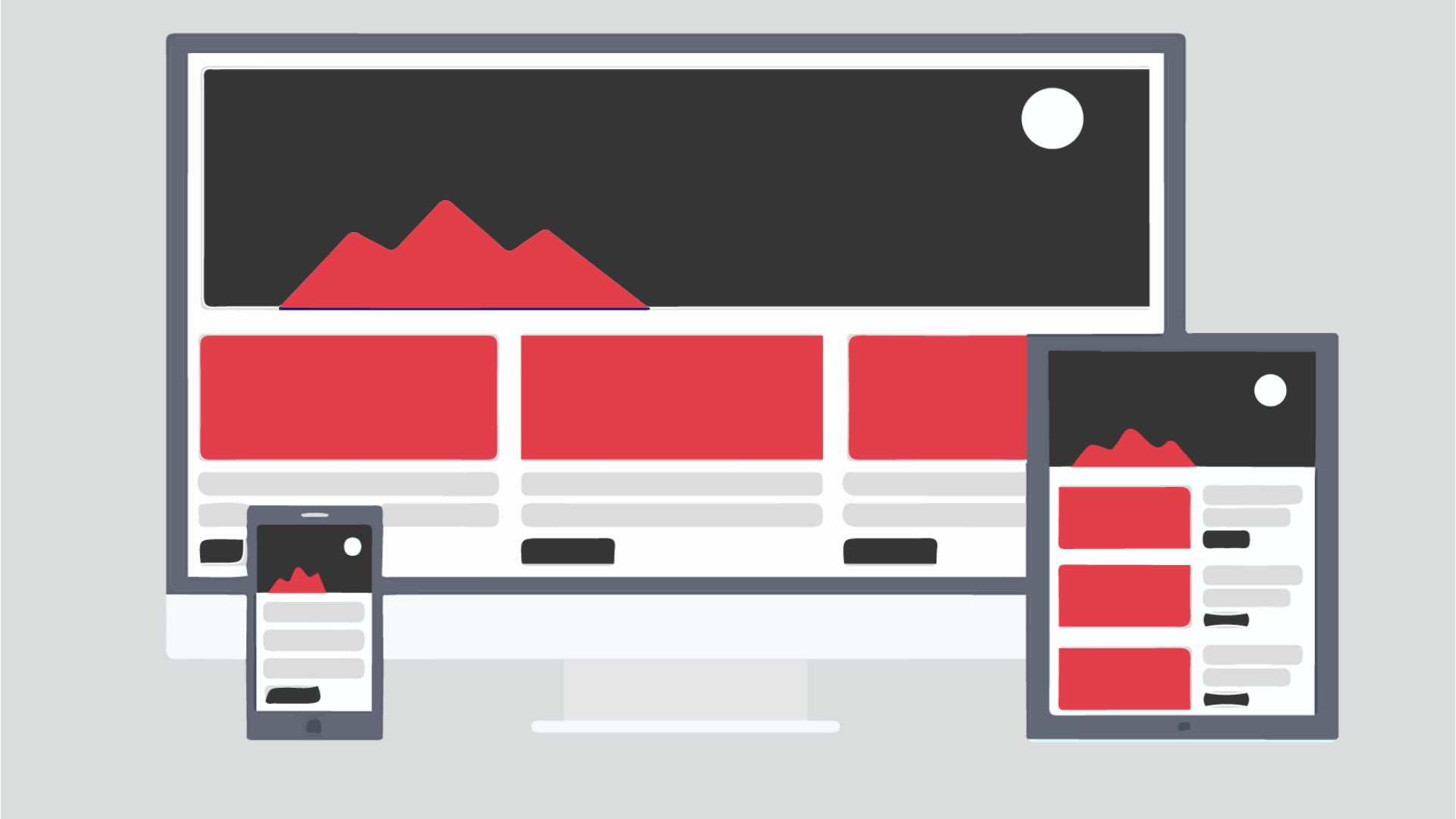
Broken mobile experience: More than half of email opens happen on mobile. If your email looks bad on a phone — images too wide, buttons too small, fonts too tiny — you're losing conversions before the shopper even reads your message.
No product image: Skipping the visual is a surprisingly common mistake. People respond to seeing the thing they wanted. Text alone doesn't recreate that moment of desire.
Leading with discounts: As mentioned earlier, training your audience to abandon on purpose is a real risk. Test discount-led vs. value-led sequences before making a coupon your default move.
Ignoring your sender reputation: If your emails are landing in spam, none of this matters. Make sure your domain authentication — SPF, DKIM, DMARC — is configured correctly and that your list hygiene is solid. Our guide to building a results-driven email marketing strategy covers the fundamentals that keep your emails out of the spam folder.
Which platforms make this easy to set up?
If you're running a modern ecommerce store, you probably already have access to solid cart abandonment tools. Here's a quick look at what's out there.
- Klaviyo: The go-to choice for serious Shopify and WooCommerce stores. Deep segmentation, strong pre-built flows, and excellent product data syncing make it the most capable option for growing brands.
- Mailchimp: On a tighter budget or earlier in your growth stage, Mailchimp's abandoned cart feature handles straightforward setups well. Less flexible than Klaviyo, but it gets the job done.
- Omnisend: Built specifically for ecommerce, with SMS and push notifications alongside email. A good fit if you want multichannel recovery without stitching together multiple tools.
- Drip: A solid mid-tier option with strong automation logic and good ecommerce integrations, particularly for WooCommerce users.
- Shopify Email: Native to Shopify, free to start, and covers the basics. Limited on customization, but a reasonable starting point if you haven't set anything up yet.
A pattern we keep running into: platform choice matters far less than setup quality. We've seen clients with Klaviyo accounts configured so poorly that a competitor running Mailchimp — with clean segmentation and copy someone actually wrote — was outperforming them. The tool is the vehicle. Strategy is what drives it.
Turning abandoned carts into a real revenue channel
Abandoned cart emails aren't a hack or a gimmick. They're a foundational piece of any serious ecommerce email program. If you don't have a flow running right now, you're leaving money on the table every single day — and that's not an overstatement.
The path forward is simpler than most store owners think:
- Audit your current setup. Do you have cart abandonment emails running at all? If yes, when does the first one fire and what does it actually say?
- Map the sequence. Plan your three-email flow with clear timing, distinct messaging angles, and one primary CTA per email.
- Write for your customer, not your brand. The tone should feel like a helpful reminder, not a corporate alert.
- Set up proper suppression logic. Anyone who buys during the sequence should exit it immediately.
- Measure and iterate. Watch open rates, click rates, and — most importantly — recovered revenue. Then test subject lines, send times, and incentive placement.
The brands that treat cart recovery as a living system — something they monitor, test, and improve over time — are the ones that see it compound into a meaningful revenue stream. It's not a one-time setup. It's an ongoing conversation with your most interested shoppers.
Want us to audit your cart recovery flow — or build one from scratch?
If you're not sure whether your abandoned cart emails are set up correctly, firing at the right time, or actually recovering revenue, let's look at it together. At Xulum, we've helped ecommerce brands across the US diagnose underperforming automations and build sequences that convert. Schedule a free, no-strings consultation and we'll tell you exactly what we see — no fluff, no pitch deck.
Request your quote →